A safe, confidential and caring method of therapy, where a child can play with as few limits as possible, using the natural language of childhood to work through what feels hard.
Talking about problems can be hard for children. A child may not have the words to describe how they're feeling, or why they're behaving as they do. They may not yet be able to recognise what they find difficult, or explain it if asked.
Play therapy provides the expertise and time to work through that, through play. Sessions aim to build a child's ability to develop healthy and resilient relationships, and to work through experiences that may be preoccupying them.
Play is a child's natural way of experimenting, learning, rehearsing, and mixing real with fantasy, so using play as the medium to express themselves makes sense to children.
Every child is unique, and play therapy has been shown to help with a wide range of experiences.
The therapeutic relationship has specific qualities, designed to support and sustain self-discovery. Each play therapist has undertaken extensive academic and clinical training, with close supervision and monitoring.
Playing together in the therapy room, with the full toolkit of play and art materials, creates a facilitative environment for reflective discovery of therapeutic change. Crucially, the child is not alone with their experience. The therapist holds the session through predictable boundaries and materials, creating a containing space where the child feels supported, understood, safe, and able to approach deep, strong feelings.
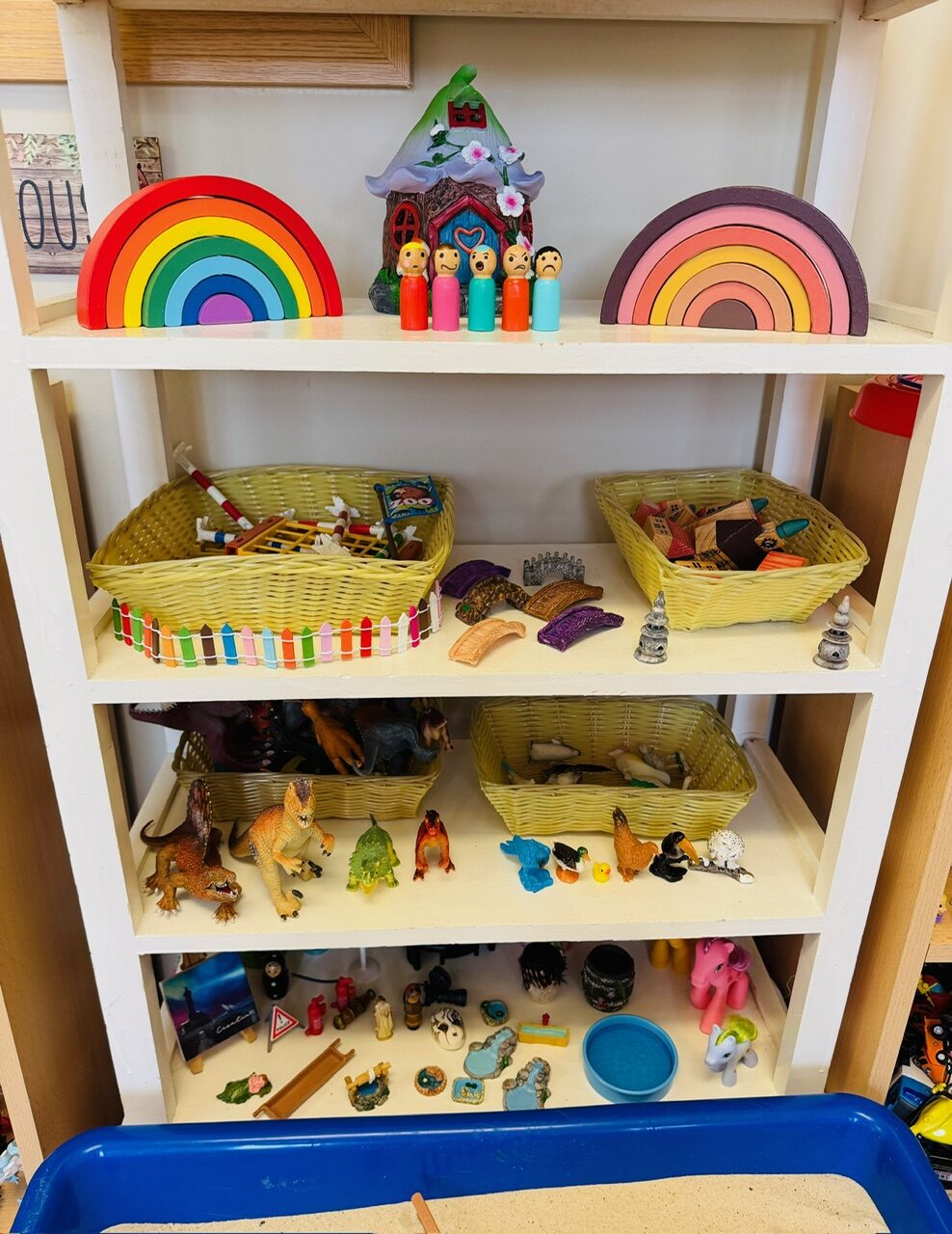
Recognising and understanding them is important too. Emotions give us information about what's happening to us, so we can choose what action to take. The word emotion itself comes from motere, the Latin verb "to move", with the prefix e meaning "to move away."
Understanding what they're feeling, and why, means a child can decide more consciously what they want to do, before they do it. This reduces the likelihood of acting impulsively, or getting stuck in unhealthy patterns.
Tuning into, recognising, and understanding thoughts and feelings is central to play therapy. In a child's session they can make sense of their emotions and choose actions that lead to healthy growth. Rehearsing these skills in the safety of the therapy room paves the way for the child to put new strategies into practice in their life outside.
Research shows that when a child is helped to link words to feelings, cerebral pathways linking higher and lower brain structures are strengthened. This increases the ability to manage strong feelings and stress later in life, skills vital for socio-emotional success.
The toolkit is used according to the child's wishes and the skills of the therapist. Children lead the way.
Miniatures in sand become a whole world for the child to explore and arrange.
Tactile, grounding material for regulation, focus and physical expression.
Drawing, painting and collage, making the invisible visible on the page.
Giving voice to what can feel too big to say aloud, through another character.
Meaning-making through narrative and metaphor, safer to explore through story.
Rhythm and sound as a language for emotion, regulation and self-expression.
The body speaks when words aren't reachable yet, movement can release and soothe.
Exploring identity, self-image, and the many sides of who a child can be.
Rehearsing new ways of being in a safe, imagined space, before trying them in life.
Gentle guided imagery for calm, insight and grounding in the body.
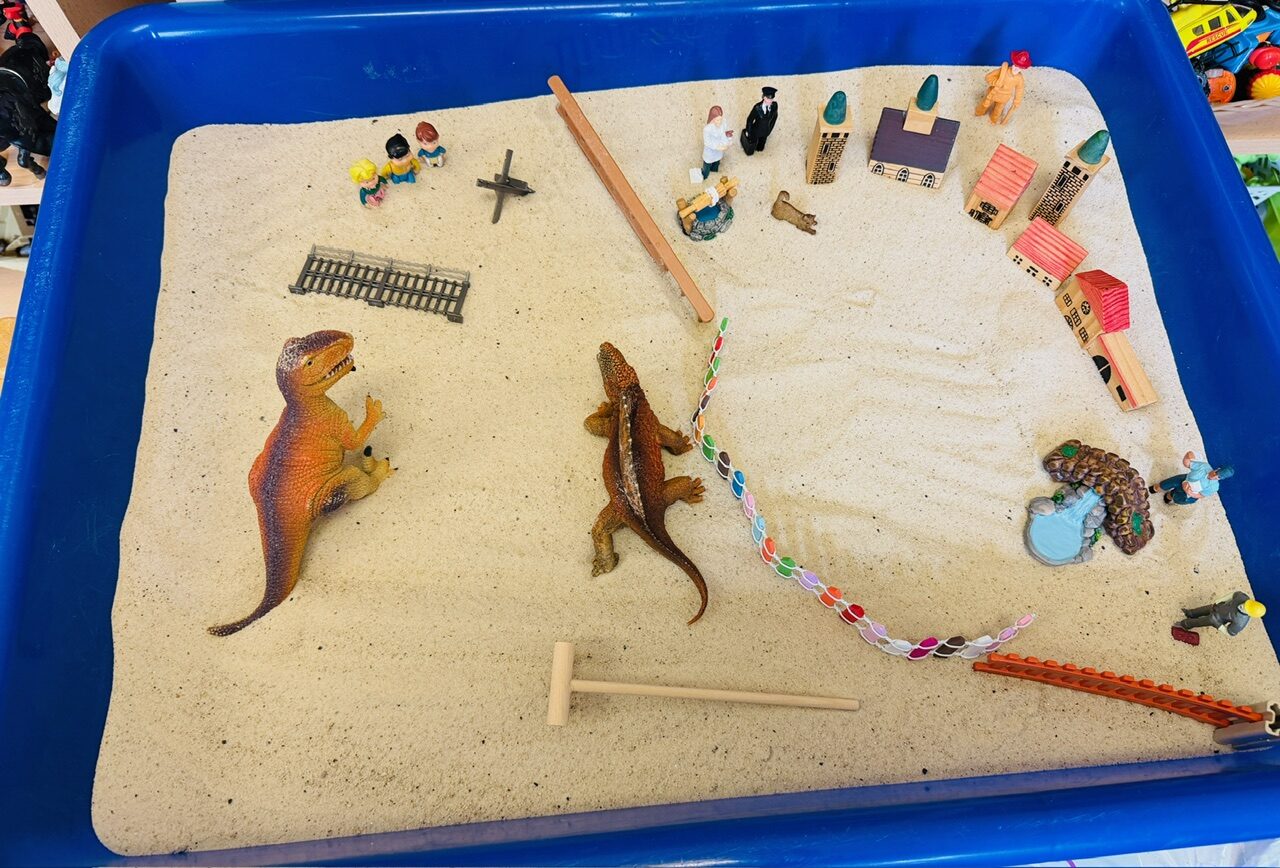
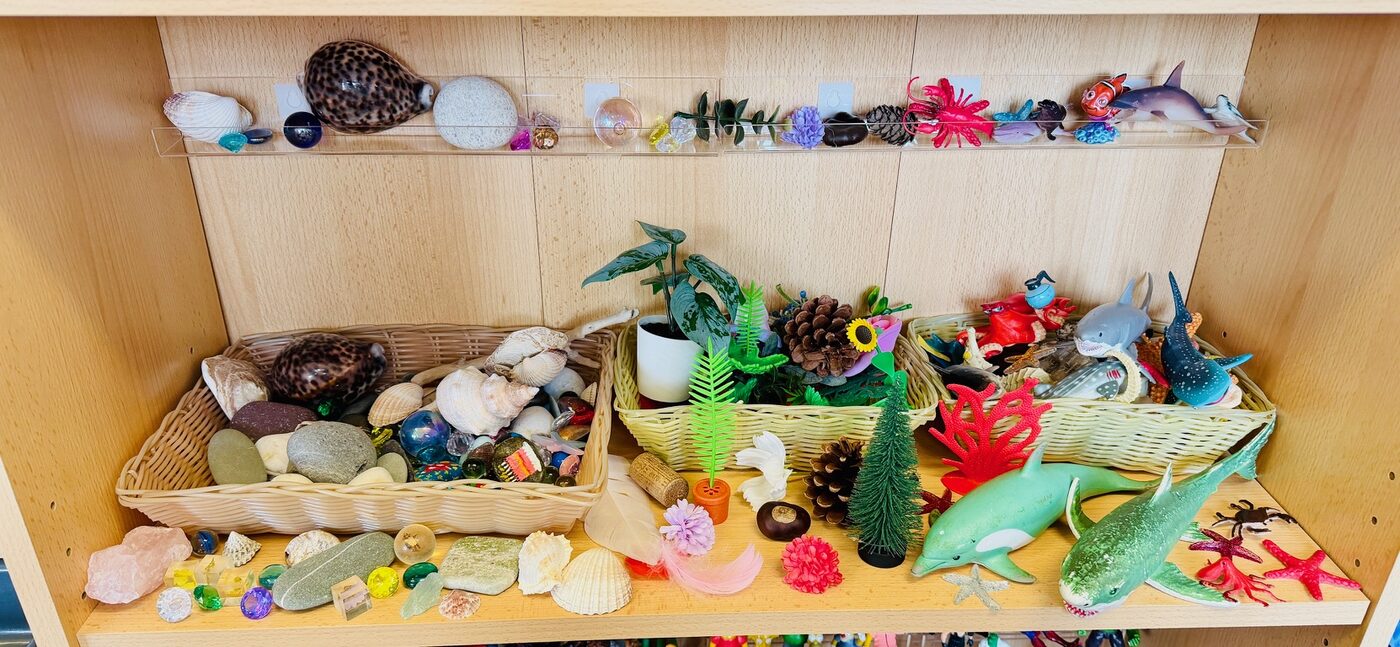
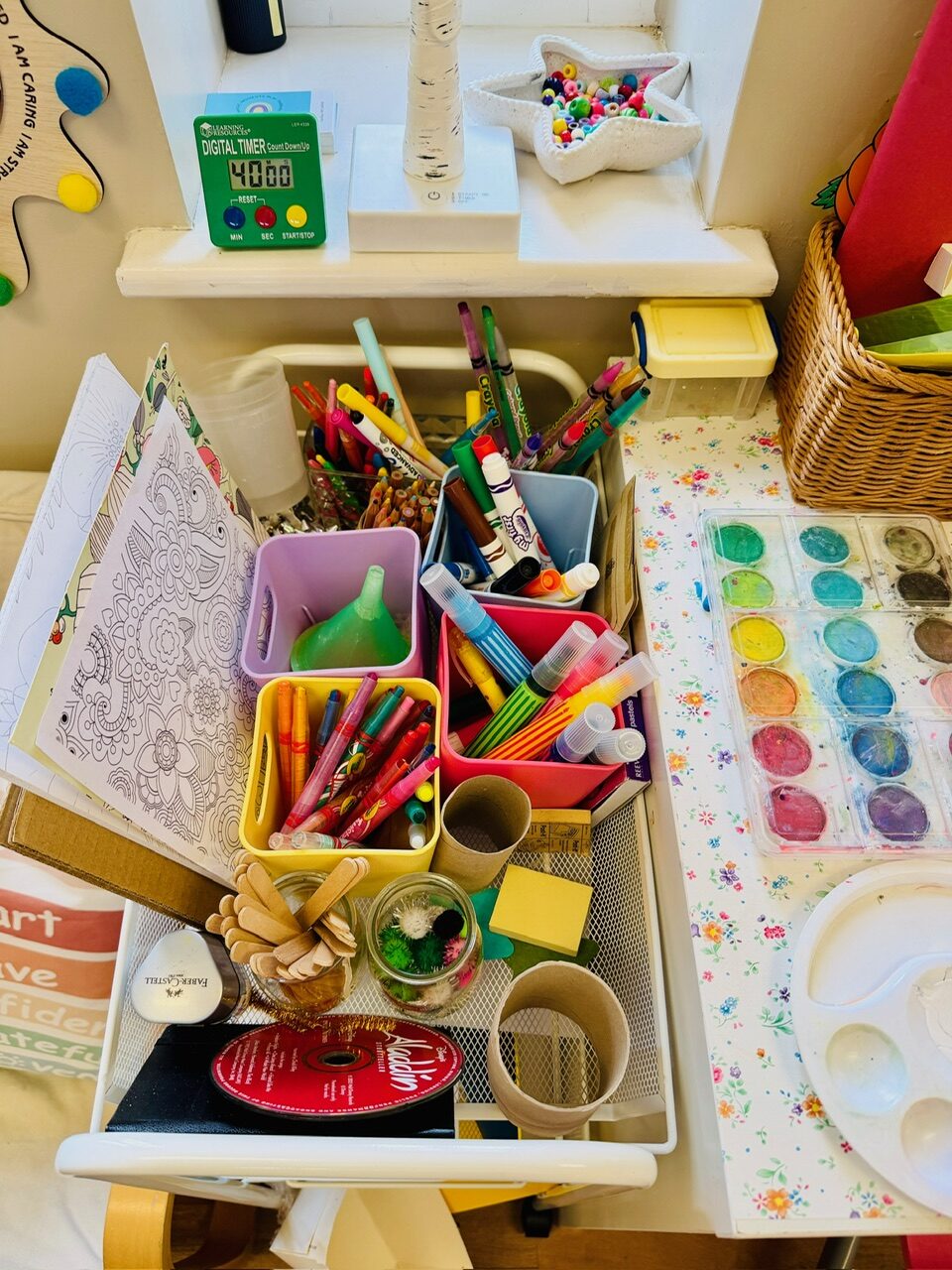
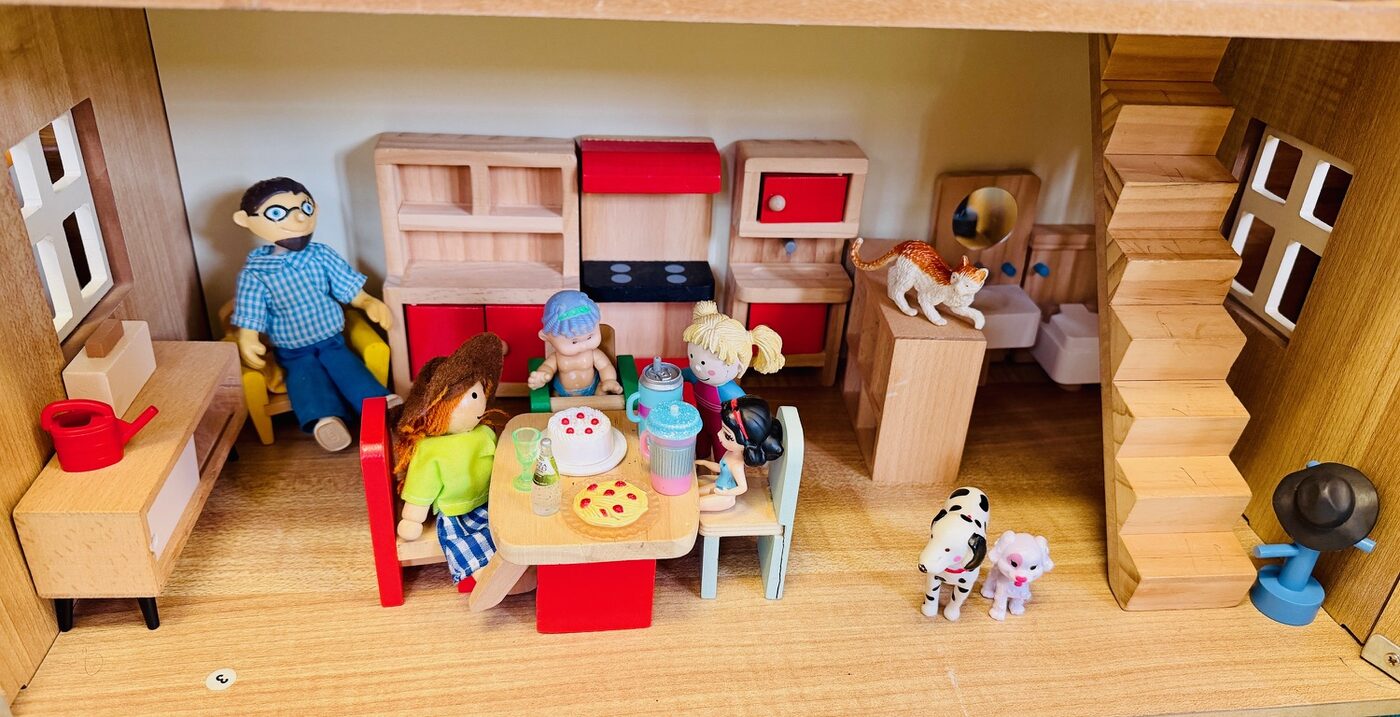
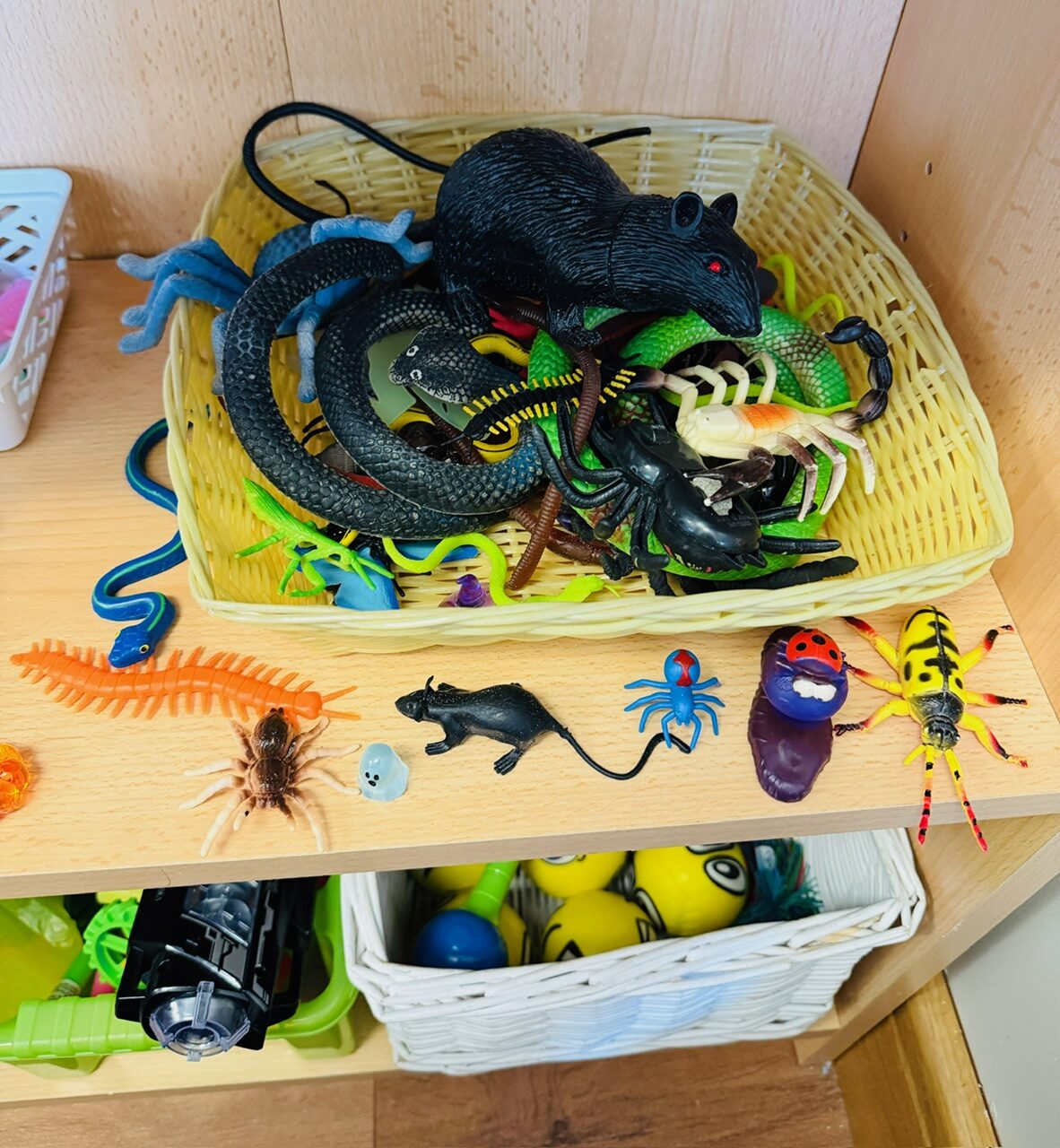
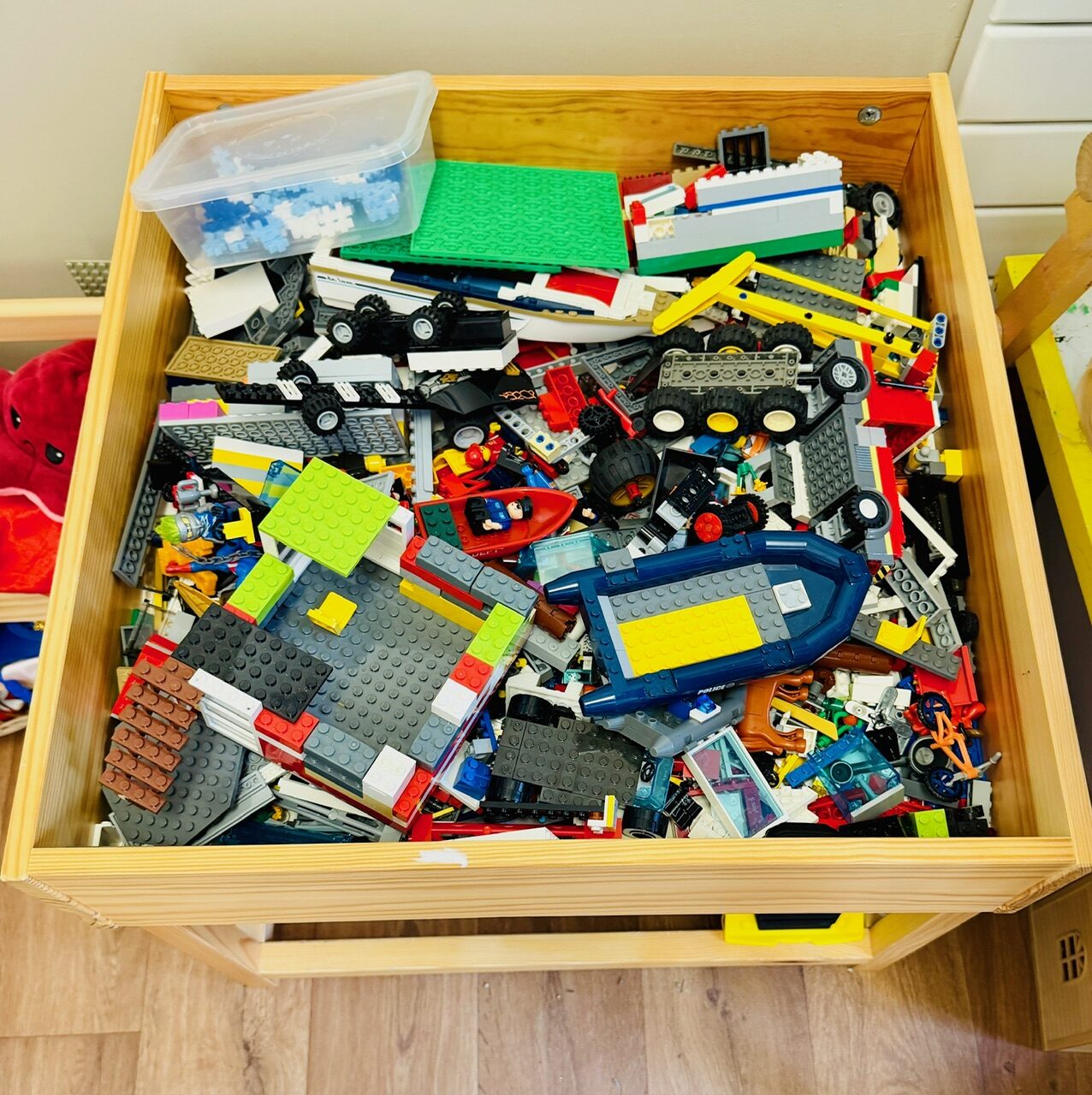
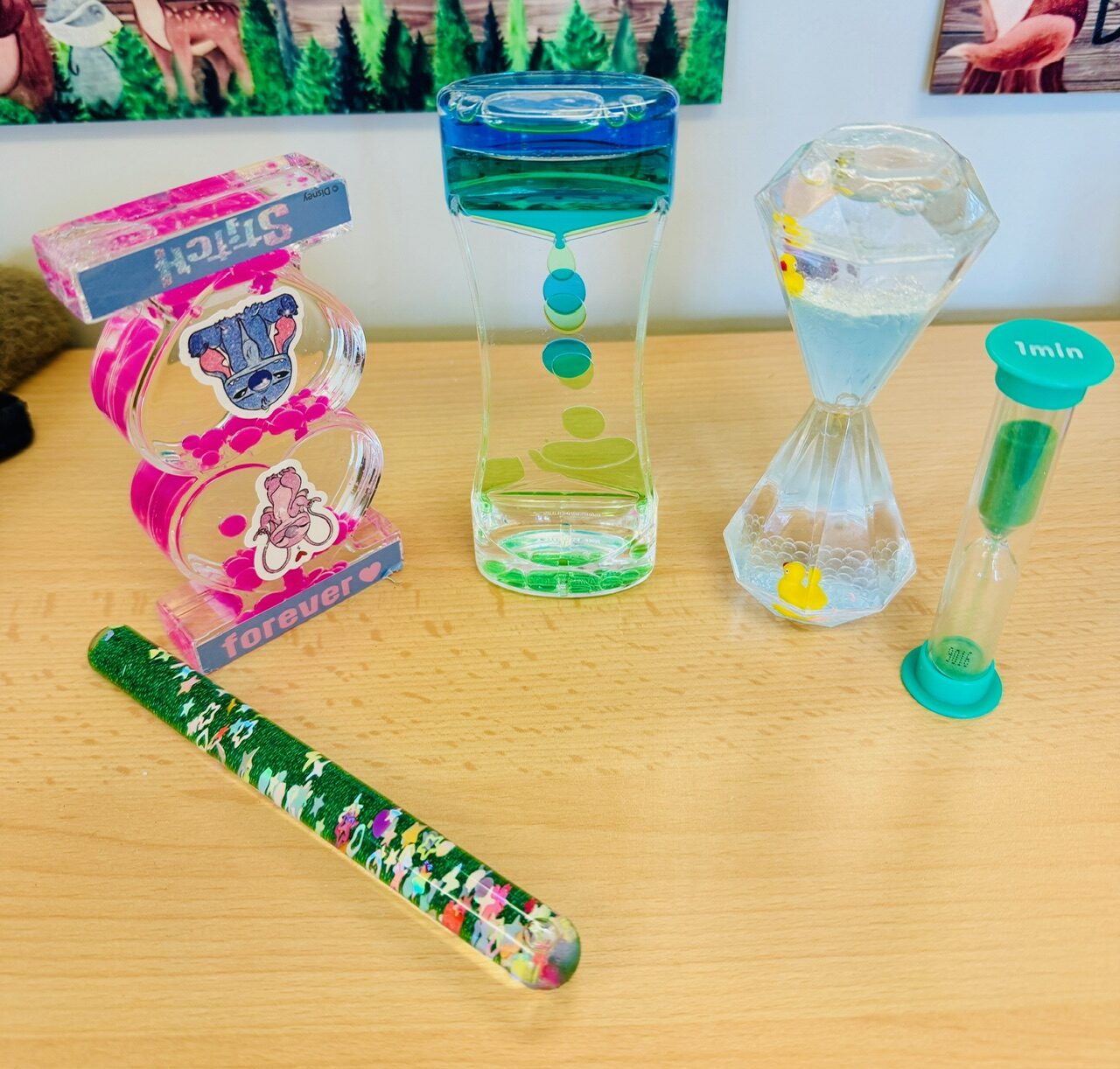
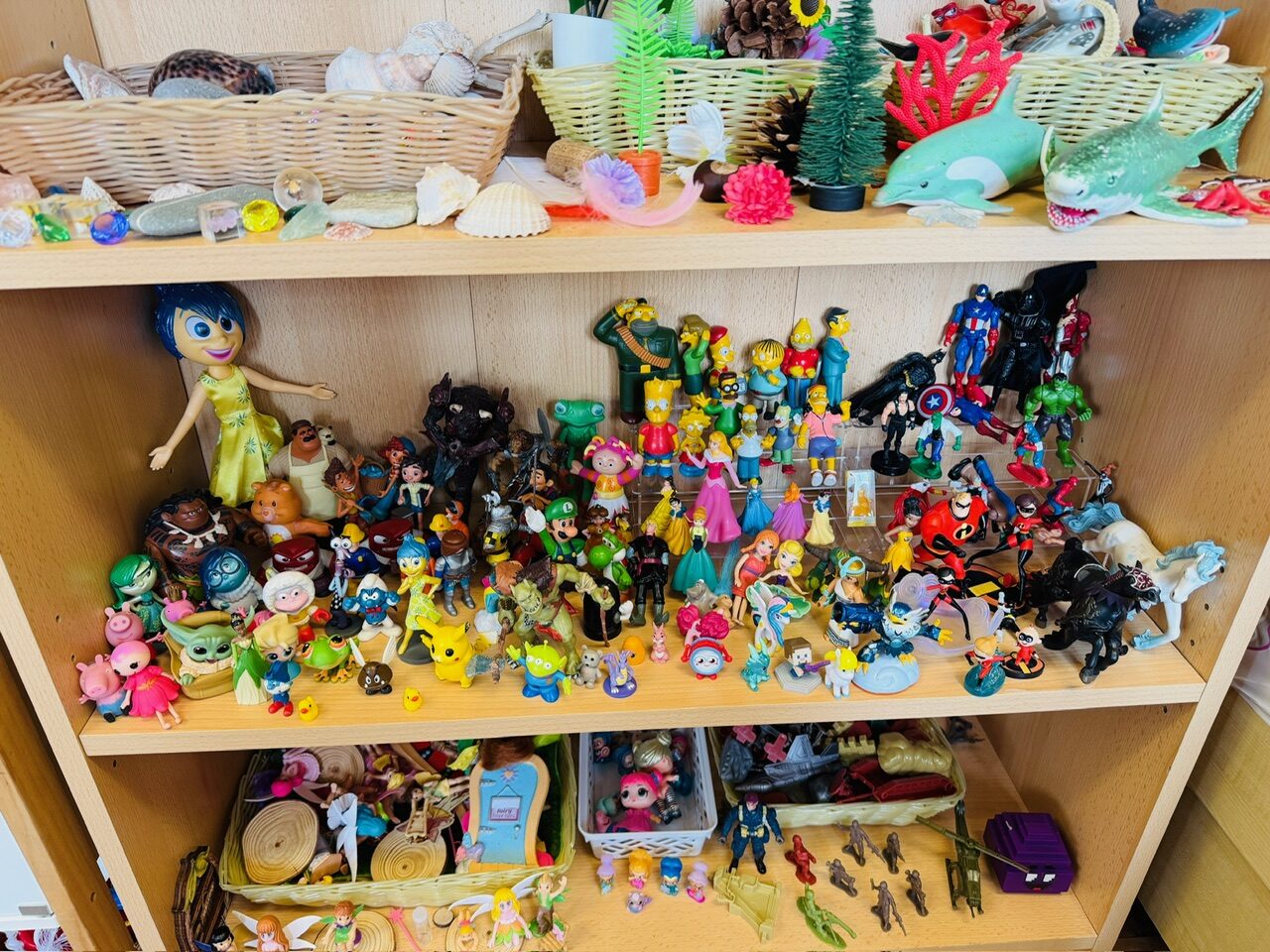
Play therapy is a safe and containing therapeutic relationship in which the child is free to use a variety of play and creative arts techniques, the toolkit, to work through emotional, behavioural and social problems.
PTUK